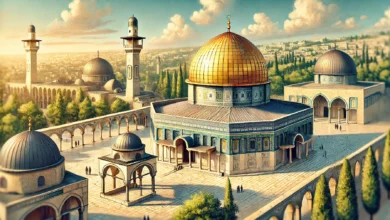
Information About Islam A Comprehensive Guide
 Information About Islam A Comprehensive Guide
اسلام کے بارے میں دلچسپ معلومات ایک جامع رہنما
Islam is one of the world’s major religions, with over 1.9 billion followers. Its rich history, diverse practices, and profound beliefs make it a fascinating subject of study. In this article, we’ll explore interesting information about Islam that highlights its significance and appeal. Whether you’re curious about its origins, key beliefs, or cultural contributions, this guide will provide you with valuable insights.
Origins of Islam
Islam originated in the 7th century CE in the Arabian Peninsula, with the prophet Muhammad as its founder. Considered the last prophet in a long line that includes figures like Abraham and Jesus, Muhammad’s revelations, recorded in the Quran, form the foundation of Islamic faith. The term “Islam” means “submission,” signifying a believer’s commitment to the will of Allah (God).
The Five Pillars of Islam
Central to the practice of Islam are the Five Pillars, which every Muslim is expected to uphold:
- Shahada (Faith): The declaration of faith, affirming that there is no god but Allah and Muhammad is His messenger.
- Salah (Prayer): Muslims pray five times a day, facing the Kaaba in Mecca, which serves as a reminder of their submission to Allah.
- Zakat (Charity): A commitment to giving a portion of one’s wealth to those in need, promoting social justice and community support.
- Sawm (Fasting during Ramadan): Observing fast from dawn to sunset during Ramadan fosters self-discipline and empathy for the less fortunate.
- Hajj (Pilgrimage to Mecca): Every Muslim is required to undertake this pilgrimage at least once in their lifetime if financially and physically able.
Core Beliefs
In addition to the Five Pillars, the Six Articles of Faith form the foundation of a Muslim’s beliefs:
- Belief in Allah: The oneness of God is central to Islamic faith.
- Belief in Angels: Muslims believe in angels created by Allah to perform various duties.
- Belief in Holy Books: Key texts include the Quran, Torah, Psalms, and Gospel, with the Quran being the final revelation.
- Belief in Prophets: Acknowledgment of prophets, including Muhammad, who conveyed Allah’s messages to humanity.
- Belief in the Day of Judgment: Muslims believe in a final day when individuals will be resurrected and judged based on their deeds.
- Belief in Divine Decree: This emphasizes Allah’s control over all events while allowing for human free will.
Cultural Contributions of Islam
Islam has significantly influenced various fields, especially during the Islamic Golden Age (8th to 14th century):
- Science and Medicine: Scholars like Al-Razi and Ibn Sina advanced medicine and mathematics, including the introduction of the numeral system and the concept of zero.
- Architecture: Islamic architecture is celebrated for its beauty and intricate designs, seen in structures like the Alhambra in Spain and the Taj Mahal in India.
- Literature: Classic works such as “One Thousand and One Nights” and the poetry of Rumi explore themes of love, spirituality, and the human experience.
Islam in the Modern World
Today, Islam is a vibrant, diverse faith with a presence on every continent. While it faces challenges such as misunderstanding and extremism, the majority of Muslims advocate for peace, coexistence, and social justice.
Interfaith Dialogue
Many Muslims engage in interfaith dialogue, aiming to promote understanding and cooperation among different religions. This dialogue helps bridge cultural gaps and fosters a sense of unity in diversity.
Misconceptions and Realities
It’s essential to differentiate between the actions of extremists and the beliefs of the vast majority of Muslims, who strive for a peaceful and harmonious life. Education and awareness are key to dispelling myths surrounding Islam.
Conclusion
Islam is a complex and multifaceted religion with a profound impact on global culture and history. Its core beliefs emphasize submission to Allah, community engagement, and charitable giving. Understanding Islam enriches our appreciation for the world’s diverse faiths and promotes mutual respect. Whether you’re exploring Islamic teachings or learning about its cultural contributions, there’s always something new and interesting to discover.