
Information About Prophets of Islam
Comprehensive Information About the Prophets of Islam
Islam, one of the world’s major religions, places great emphasis on the role of prophets as divine messengers. This article explores the prophets of Islam, their significance, and the valuable lessons their lives teach us. Whether you’re a seeker of knowledge or simply curious about Islamic teachings, this guide will provide you with a thorough understanding of the prophets of Islam.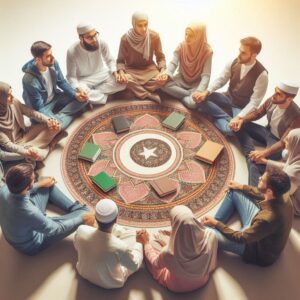
What is a Prophet in Islam?
In Islam, a prophet (known as Nabi) is a person chosen by Allah (God) to convey His message and guide humanity. Prophets serve as intermediaries between God and people, delivering divine revelations and instructions. They exemplify the moral and ethical conduct expected of believers and warn against straying from the path of righteousness.
The Importance of Prophets
- Messengers of Divine Guidance: Prophets communicate God’s messages to humanity, helping to establish faith and moral values.
- Models of Virtue: They serve as examples of piety, patience, and integrity, providing role models for followers to emulate.
- Warnings and Encouragement: Prophets warn communities about the consequences of wrongdoing while encouraging them to seek forgiveness and righteousness.
Major Prophets of Islam
The Quran mentions 25 prophets by name, each with a unique story and message. Here are some of the most significant figures:
1. Adam (A.S.)
Adam is considered the first human and prophet in Islam. His creation from clay symbolizes the divine origin of humanity. Adam’s story emphasizes themes of obedience, free will, and repentance, illustrating the relationship between God and mankind.
2. Noah (Nuh) (A.S.)
Noah is renowned for his steadfast faith amid a community steeped in disbelief. His construction of the ark and the story of the Great Flood signify hope and resilience, reminding us of the importance of faith in difficult times.
3. Abraham (Ibrahim) (A.S.)
Abraham is a central figure in Islam, known for his unwavering devotion to one God. His readiness to sacrifice his son in obedience to God is a testament to his faith. He is often called the “Father of Prophets,” as many other prophets, including Moses and Jesus, are his descendants.
4. Moses (Musa) (A.S.)
Moses is one of the most frequently mentioned prophets in the Quran. He led the Israelites out of slavery in Egypt and received the Torah (Tawrat). Moses represents leadership, justice, and the struggle against oppression, making his story relevant in today’s context.
5. Jesus (Isa) (A.S.)
Jesus is revered as a prophet in Islam, not as the Son of God. His miraculous birth, teachings, and miracles are acknowledged, emphasizing compassion and forgiveness. Muslims believe in his second coming, which aligns with the themes of justice and peace.
6. Muhammad (P.B.U.H.)
Muhammad, known as the Seal of the Prophets, is the final messenger of Islam. He received the Quran over 23 years, which serves as a comprehensive guide for humanity. His life exemplifies the principles of justice, mercy, and community, influencing billions worldwide.
The Concept of Prophethood in Islam
The Finality of Prophethood
Muslims believe that Muhammad is the last prophet, signifying the completion of divine guidance. This belief shapes the Islamic understanding of revelation, emphasizing that the teachings of the Quran are meant to guide humanity until the end of time.
Respect for All Prophets
Belief in all prophets is a fundamental aspect of Islamic faith. This respect fosters a sense of unity among diverse religious traditions, recognizing the common roots of Abrahamic faiths.
Lessons from the Lives of Prophets
The lives of the prophets offer timeless lessons that are applicable to modern society:
- Faith and Resilience: Stories like that of Job (Ayyub) showcase the power of patience and faith during trials.
- Justice and Compassion: Prophets such as Muhammad emphasize the importance of standing up for justice and treating others with kindness.
- Repentance and Forgiveness: Many prophets illustrate the significance of seeking forgiveness and the boundless mercy of God.
Conclusion
The prophets of Islam serve as essential guides for believers, providing wisdom, direction, and inspiration. Their stories and teachings are not only integral to Islamic theology but also resonate with universal themes of faith, morality, and justice. By exploring the lives of these prophets, both Muslims and non-Muslims can gain valuable insights into the principles that underpin a life of faith.
FAQs About the Prophets of Islam
- How many prophets are mentioned in the Quran? The Quran specifically names 25 prophets.
- Why are prophets important in Islam? They convey God’s messages, serve as moral examples, and guide humanity towards righteousness.
- What is the significance of Muhammad in Islam? Muhammad is considered the last prophet, whose life and teachings complete God’s message to humanity.
- Do Muslims believe in the same prophets as Christians and Jews? Yes, many prophets are shared among these faiths, though their roles and interpretations may differ.
- What lessons can we learn from the prophets of Islam? Their lives teach us about resilience, justice, compassion, and the importance of seeking forgiveness.
By understanding the prophets of Islam, we appreciate the rich tapestry of faith that continues to inspire millions around the globe. Whether for personal growth or academic pursuit, the stories of these remarkable figures offer timeless lessons that remain relevant in our daily lives.